Buy kabayanonline.eu ?
We are moving the project
kabayanonline.eu .
Are you interested in purchasing the domain
kabayanonline.eu ?
domain@kv-gmbh.de · 0541-91531010
Buy kabayanonline.eu ?
Could we become climate neutral by 2050 with the help of decarbonization, Carbon Capture and Storage (CCS), and Carbon Dioxide Removal (CDR)?
Achieving climate neutrality by 2050 is possible with a combination of decarbonization, Carbon Capture and Storage (CCS), and Carbon Dioxide Removal (CDR) technologies. Decarbonization involves reducing emissions at the source, while CCS captures carbon dioxide emissions from industrial processes and stores them underground. CDR technologies, such as afforestation and direct air capture, remove carbon dioxide from the atmosphere. By implementing these strategies in conjunction with each other, we can work towards achieving climate neutrality by 2050. However, it will require significant global cooperation, investment, and policy support to reach this goal. **
Is carbon the same as carbon fiber?
No, carbon and carbon fiber are not the same. Carbon is a chemical element with the symbol C and atomic number 6, while carbon fiber is a material made of thin fibers composed mostly of carbon atoms. Carbon fiber is a lightweight and strong material commonly used in aerospace, automotive, and sporting goods industries, while carbon in its elemental form has various uses in different industries. **

Similar search terms for Carbon-neutral
Top-Angebote
Products related to Carbon-neutral:
-
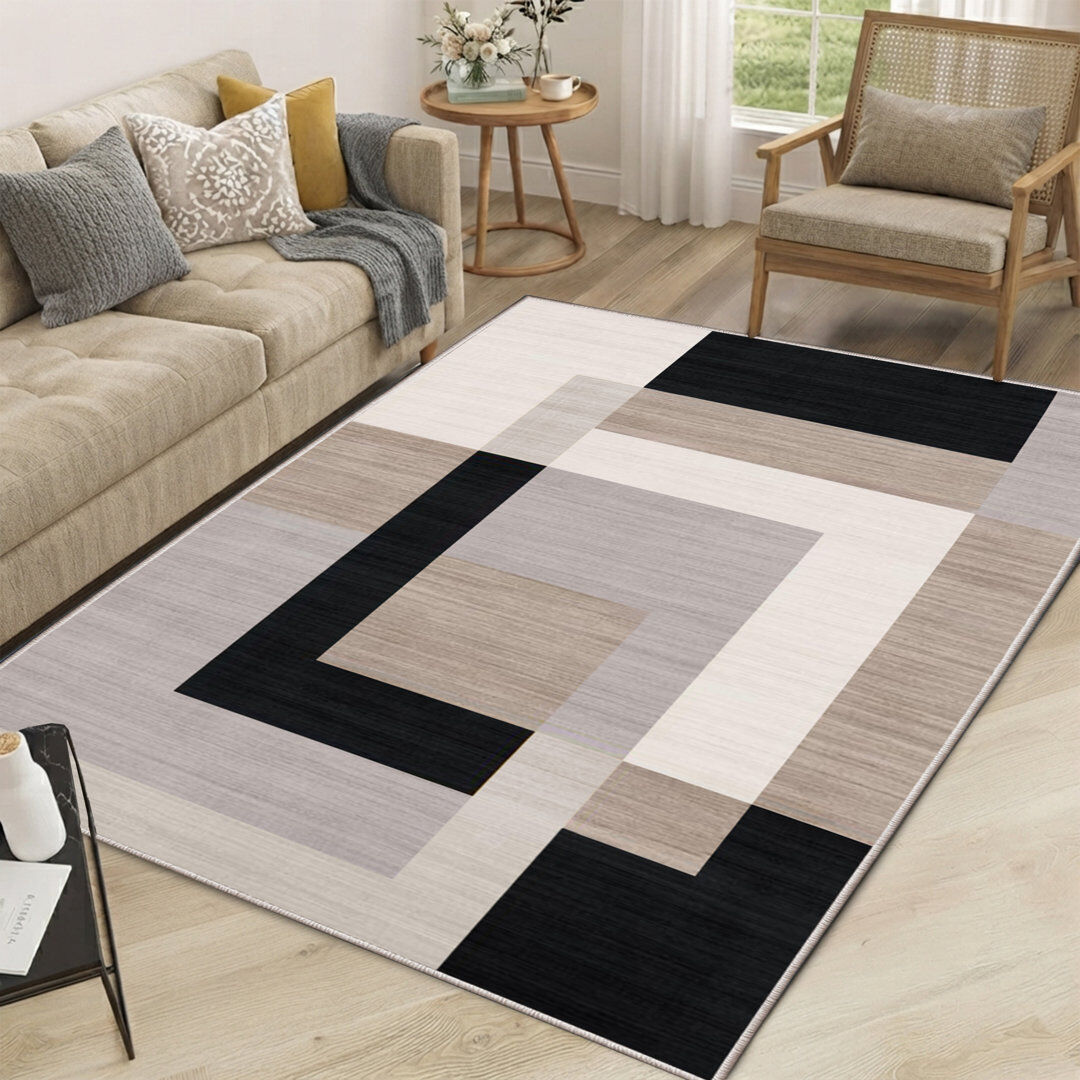
East Urban Home MILO Neutral Geometric Machine Tufted Area Rug MILO NEUTRAL Rectangle 160 x 300 cmThe MILO Neutral Geometric Machine Tufted Area Rug adds calm, modern style to your space with its clean block pattern and soft neutral colors. Designed in warm beige, light taupe, soft grey, and black accents, this rug blends easily with modern farmhouse, transitional, and contemporary décor. It creates visual interest while keeping the room light and balanced. Made with durable machine tufted construction, this rug features a low-profile pile that fits easily under furniture and works well in everyday living spaces. It is non-shedding, fade-resistant, and easy to maintain—making it a smart and rental-friendly choice for any home. East Urban Home Rug Size: Rectangle 160 x 300 cm50,99 £*Shipping: 4,99 £Secure redirect to the provider


-
What are non-aromatic carbon-carbon bonds?
Non-aromatic carbon-carbon bonds are simply carbon-carbon bonds that do not participate in aromaticity. Aromaticity refers to a special type of bonding in organic molecules that results in increased stability and unique reactivity. Non-aromatic carbon-carbon bonds can be found in a wide range of organic compounds and can exhibit different types of reactivity and properties depending on their specific chemical environment. These bonds can be found in aliphatic hydrocarbons, such as alkanes and alkenes, as well as in many other organic molecules. **
-
Do you have carbon monoxide detectors at home?
As an AI, I do not have a physical home, so I do not have carbon monoxide detectors. However, I highly recommend that everyone have carbon monoxide detectors in their homes to protect against the dangers of carbon monoxide poisoning. It is important to regularly test and maintain these detectors to ensure they are functioning properly. **
-
How can one produce carbon dioxide at home?
One can produce carbon dioxide at home by combining baking soda and vinegar in a container. When the two substances react, they produce carbon dioxide gas as a byproduct. Another way to produce carbon dioxide at home is through the process of fermentation, such as when making homemade bread or brewing beer. In these processes, yeast consumes sugar and produces carbon dioxide as a waste product. **
-
Is carbon and carbon fiber the same thing?
No, carbon and carbon fiber are not the same thing. Carbon is a chemical element with the symbol C and atomic number 6, while carbon fiber is a material made of thin strands of carbon woven together. Carbon fiber is a composite material that is known for its high strength-to-weight ratio and is commonly used in aerospace, automotive, and sporting goods industries. **


What happens to the carbon we consume through food?
The carbon we consume through food is broken down during digestion into its basic components, such as carbon dioxide. This carbon dioxide is then released into the bloodstream and transported to the lungs, where it is exhaled as a waste product. Some of the carbon is also used by the body for energy production and to build essential molecules like proteins, fats, and carbohydrates. Overall, the carbon we consume through food is either exhaled as carbon dioxide or used by the body for various physiological processes. **
What is the difference between carbon monoxide and carbon dioxide?
Carbon monoxide (CO) is a colorless, odorless gas that is produced by incomplete combustion of carbon-containing fuels, while carbon dioxide (CO2) is a colorless gas that is naturally present in the Earth's atmosphere and is produced by the combustion of fossil fuels, as well as by natural processes like respiration and volcanic eruptions. The main difference between the two is their chemical composition - carbon monoxide contains one carbon atom and one oxygen atom, while carbon dioxide contains one carbon atom and two oxygen atoms. Additionally, carbon monoxide is highly toxic to humans, while carbon dioxide is not toxic at normal levels but can contribute to climate change when present in high concentrations. **
Top-Angebote
Products related to Carbon-neutral:
-
Sagebrook Home Neutral Ceramic VaseEnhance the ambiance of your sanctuary with the subtle charm of Sagebrook Home's Ceramic Vase. Carefully crafted to add a touch of sophistication to any room, this vase exudes elegance with its delicate details and versatile beauty.40,59 $*Shipping: 0,00 $Secure redirect to the provider
-
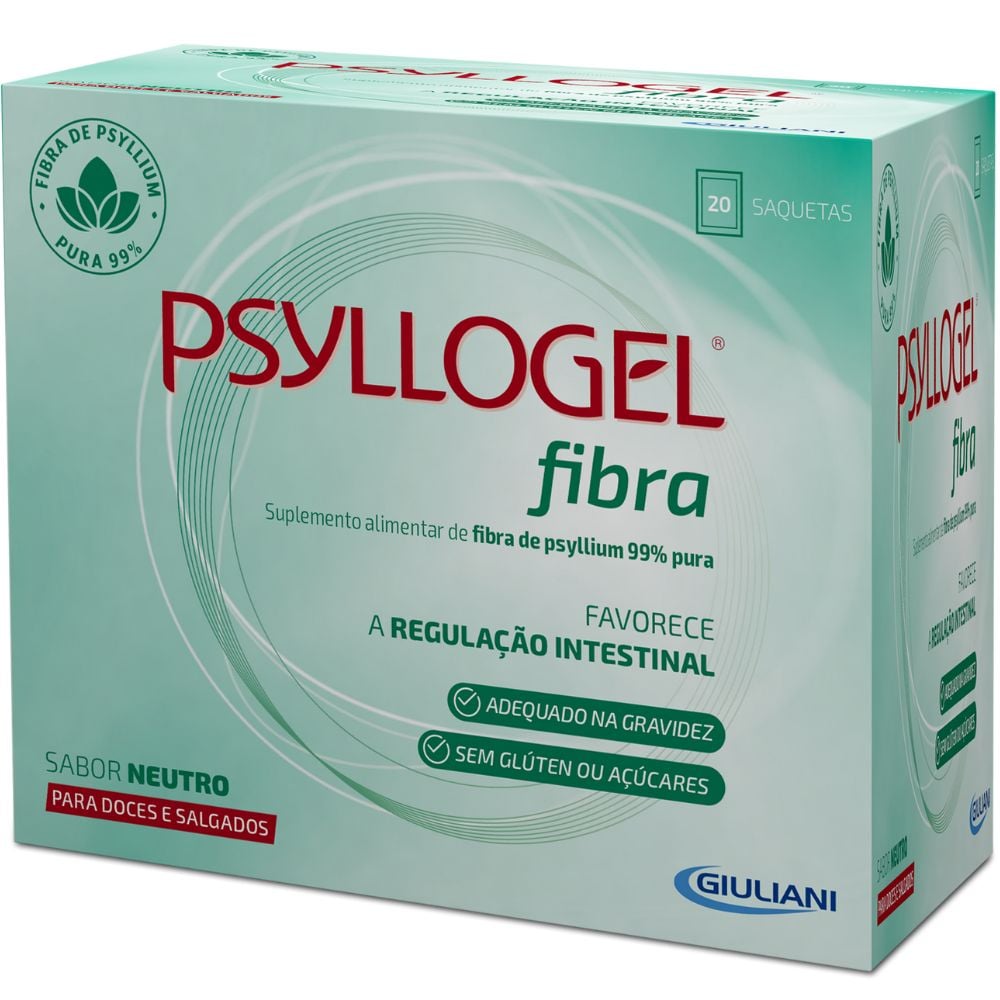
Psyllogel Fibra Sachets Food Supplement 20 un. NeutralA food supplement. Revolutionize your wellness routine with This product – your key to a balanced digestive system, blending lactitol and 99% pure Psyllium fiber for natural intestinal regularity. Increases evacuation frequency comfortably and without urgency. Regulates intestinal transit using a blend of lactitol and 99% pure Psyllium fiber.8,15 £*Shipping: 5,34 £Secure redirect to the provider
-
East Urban Home MILO Neutral Geometric Machine Tufted Area Rug MILO NEUTRAL Rectangle 160 x 300 cmThe MILO Neutral Geometric Machine Tufted Area Rug adds calm, modern style to your space with its clean block pattern and soft neutral colors. Designed in warm beige, light taupe, soft grey, and black accents, this rug blends easily with modern farmhouse, transitional, and contemporary décor. It creates visual interest while keeping the room light and balanced. Made with durable machine tufted construction, this rug features a low-profile pile that fits easily under furniture and works well in everyday living spaces. It is non-shedding, fade-resistant, and easy to maintain—making it a smart and rental-friendly choice for any home. East Urban Home Rug Size: Rectangle 160 x 300 cm50,99 £*Shipping: 4,99 £Secure redirect to the provider
-
Could we become climate neutral by 2050 with the help of decarbonization, Carbon Capture and Storage (CCS), and Carbon Dioxide Removal (CDR)?
Achieving climate neutrality by 2050 is possible with a combination of decarbonization, Carbon Capture and Storage (CCS), and Carbon Dioxide Removal (CDR) technologies. Decarbonization involves reducing emissions at the source, while CCS captures carbon dioxide emissions from industrial processes and stores them underground. CDR technologies, such as afforestation and direct air capture, remove carbon dioxide from the atmosphere. By implementing these strategies in conjunction with each other, we can work towards achieving climate neutrality by 2050. However, it will require significant global cooperation, investment, and policy support to reach this goal. **
-
Is carbon the same as carbon fiber?
No, carbon and carbon fiber are not the same. Carbon is a chemical element with the symbol C and atomic number 6, while carbon fiber is a material made of thin fibers composed mostly of carbon atoms. Carbon fiber is a lightweight and strong material commonly used in aerospace, automotive, and sporting goods industries, while carbon in its elemental form has various uses in different industries. **
-
What are non-aromatic carbon-carbon bonds?
Non-aromatic carbon-carbon bonds are simply carbon-carbon bonds that do not participate in aromaticity. Aromaticity refers to a special type of bonding in organic molecules that results in increased stability and unique reactivity. Non-aromatic carbon-carbon bonds can be found in a wide range of organic compounds and can exhibit different types of reactivity and properties depending on their specific chemical environment. These bonds can be found in aliphatic hydrocarbons, such as alkanes and alkenes, as well as in many other organic molecules. **
-
Do you have carbon monoxide detectors at home?
As an AI, I do not have a physical home, so I do not have carbon monoxide detectors. However, I highly recommend that everyone have carbon monoxide detectors in their homes to protect against the dangers of carbon monoxide poisoning. It is important to regularly test and maintain these detectors to ensure they are functioning properly. **
Similar search terms for Carbon-neutral
-
How can one produce carbon dioxide at home?
One can produce carbon dioxide at home by combining baking soda and vinegar in a container. When the two substances react, they produce carbon dioxide gas as a byproduct. Another way to produce carbon dioxide at home is through the process of fermentation, such as when making homemade bread or brewing beer. In these processes, yeast consumes sugar and produces carbon dioxide as a waste product. **
-
Is carbon and carbon fiber the same thing?
No, carbon and carbon fiber are not the same thing. Carbon is a chemical element with the symbol C and atomic number 6, while carbon fiber is a material made of thin strands of carbon woven together. Carbon fiber is a composite material that is known for its high strength-to-weight ratio and is commonly used in aerospace, automotive, and sporting goods industries. **
-
What happens to the carbon we consume through food?
The carbon we consume through food is broken down during digestion into its basic components, such as carbon dioxide. This carbon dioxide is then released into the bloodstream and transported to the lungs, where it is exhaled as a waste product. Some of the carbon is also used by the body for energy production and to build essential molecules like proteins, fats, and carbohydrates. Overall, the carbon we consume through food is either exhaled as carbon dioxide or used by the body for various physiological processes. **
-
What is the difference between carbon monoxide and carbon dioxide?
Carbon monoxide (CO) is a colorless, odorless gas that is produced by incomplete combustion of carbon-containing fuels, while carbon dioxide (CO2) is a colorless gas that is naturally present in the Earth's atmosphere and is produced by the combustion of fossil fuels, as well as by natural processes like respiration and volcanic eruptions. The main difference between the two is their chemical composition - carbon monoxide contains one carbon atom and one oxygen atom, while carbon dioxide contains one carbon atom and two oxygen atoms. Additionally, carbon monoxide is highly toxic to humans, while carbon dioxide is not toxic at normal levels but can contribute to climate change when present in high concentrations. **
* All prices are inclusive of VAT and, if applicable, plus shipping costs. The offer information is based on the details provided by the respective shop and is updated through automated processes. Real-time updates do not occur, so deviations can occur in individual cases. ** Note: Parts of this content were created by AI.